Change of Career at 40

By Julie Robinson, Founder & CEO, Move it or Lose it
I know first-hand what a change of career at 40 feels like.
In my 40s, I made the decision to retrain and step into a completely new professional chapter. It was not impulsive. It was considered. I had built a career, gained real life and working experience, and understood responsibility. But I also knew I wanted something more meaningful, flexible and aligned with my values.
That decision led me to create Move it or Lose it — a programme that now supports thousands of older adults across the UK and provides a new career path for people ready to make a change.
If you are thinking about a change of career at 40, I want you to know this: it is not too late. In many ways, it is the perfect time.
How to Start a New and Fulfilling Career in Mid Life
Are you thinking about a change of career at 40?
You are not alone. Every month, hundreds of people search for answers about changing careers at 40, wondering if it is too late or too risky. The truth is this: mid life can be the perfect time to start a new chapter.
If you are asking, how to change careers at 40, or even, how do you change careers at 40, this guide will help you understand what is possible — especially if you are based in the UK.
Why So Many People Consider a Career Change at 40 UK
By 40, you have real life and working experience. You have handled pressure. You’ve solved problems. You have managed people, budgets or even full projects through project management roles.
Yet many professionals reach mid life and feel:
- Stuck or undervalued
- Burned out
- Out of alignment with their values
- Ready for something more meaningful
A career change at 40 UK workers make is often about clarity. You know what no longer works. Now you can design a better career path.
Switching Careers at 40: You Are Not Starting From Scratch
Many career changers worry they must completely reinvent themselves. That is not true.
When switching careers at 40, you bring:
- Confidence
- Emotional intelligence
- Communication skills
- Reliability
- Leadership
- Organisation
If you have worked in healthcare, education, retail, office management or project management, you already have transferable skills.
You are not starting again. You are redirecting experience.
How to Change Careers After 40: A Simple Framework
If you are wondering how to change careers after 40, follow these steps.
1. Get Clear on What You Want
Do you want:
- More flexible working?
- Time with family and friends?
- A betetr work life balance?
- Less stress?
- A more fulfilling career?
- The chance to run your own business?
Clarity makes decisions easier.
2. Research Practical Options
You do not need a five-year university degree. Many career changes can begin within 1 month of research and planning. Some people explore their options for just 2 weeks before deciding to move forward.
Talk to:
- A career coach
- Other career changers
- Training providers
- Industry professionals
Small steps build confidence.
3. Start Gradually
You do not need to quit your job immediately. Many people:
- Train alongside their current role
- Reduce hours slowly
- Test demand locally
- Build income step by step
This makes changing career at 40 feel manageable, not overwhelming.
A Growing Opportunity: Training as a Move it or Lose it Instructor
One example of a change of career at 40 UK professionals choose is training to become an exercise instructor for older adults.
Move it or Lose it trains instructors to deliver safe, evidence-based strength and balance classes for older adults.
You do not need a fitness background. Many instructors come from:
- Healthcare
- Corporate roles
- Teaching
- Caring professions
- Office management
- Project management
They bring empathy and real life experience — not gym experience.
Real Success Stories From Career Changers
The best reassurance comes from real success stories.
 Lance: A Balanced Mid Life Career Path
Lance worked in logistics for decades. In his early 60s, he decided to change careers. Lance did not want more pressure. He wanted purpose and balance.
Lance trained while still working shifts. He started with two classes a week and slowly built to six.
Lance created a successful career on his own terms. He now enjoys flexibility, time with grandchildren and meaningful work.
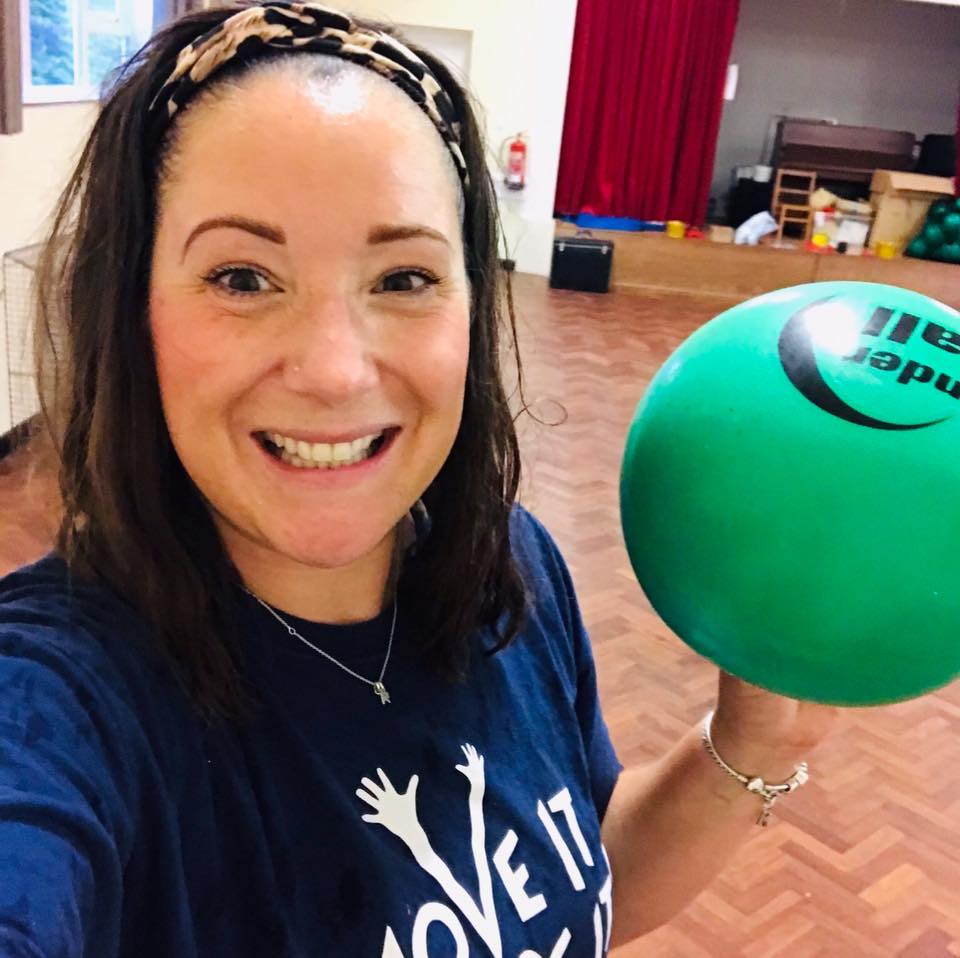 Kimberley: Building a Full-Time Business
Kimberley needed financial security and flexibility as a single mum. She completed her training and steadily grew her timetable.
Today she runs 13 classes a week and earns over £4,500 per month.
Her journey shows that career changes at 40 can be financially viable and scalable.
Both instructors followed the same training. They simply shaped their career path differently.
How Do I Change Careers at 40 Without Experience?
This is one of the most searched questions: how can I change careers at 40 if I have no direct background?
The answer is structured training and support.
With Move it or Lose it, instructors receive specialist training in delivering a structured programme of exercises that can be done either seated or standing — with no floor work required. The programme is designed to be inclusive and accessible, while promoting functional fitness through:
-
Flexibility
-
Aerobic fitness
-
Balance
-
Strength
Instructors also learn how to adapt exercises safely and confidently to support older adults of different abilities.
After qualifying, instructors can join a licence network that offers:
- Business guidance
- Marketing support
- Instructor resources
- Ongoing community support
You run your own business, but you are supported.
Mid Life Is an Advantage, Not a Disadvantage
At 40, you understand responsibility. You understand commitment. You understand people.
Older adult clients value instructors who have real life understanding. Your age becomes an asset.
This is why many people who start a new career in mid life find it more rewarding than their previous roles.
They are not chasing promotions. They are building something sustainable and meaningful.
Is Changing Careers at 40 Risky?
Every decision carries risk. Staying unhappy carries risk too.
You can reduce risk by:
- Planning carefully
- Researching thoroughly
- Speaking to a career coach
- Starting part-time
- Growing gradually
Many instructors begin with just two classes per week and expand over time.
A thoughtful approach makes switching careers at 40 realistic and achievable.
What Does a Successful Career Mean to You?
A successful career at 40 might mean:
- Earning enough to support your lifestyle
- Enjoying flexible working
- Improving your health
- Making a visible impact
- Feeling valued
- Having time for family and friends
For some, it means part-time work and balance. For others, it means building a thriving business.
You define success.
Final Thoughts: How to Change Careers at 40 UK
If you keep asking:
- How do you change careers at 40?
- How to change careers after 40?
- Is it too late to change career at 40?
Remember this:
You are not too old.
You’re not starting from zero.
You are not behind.
Mid life is often the best time to reassess your career path and design something better.
With planning, support and structured training, a change of career at 40 can lead to a more flexible, fulfilling and sustainable future.
And that may be the most successful career move you ever make.
Ready to start a new and successful career in mid life?
Request your free Move it or Lose it brochure now and see how your change of career at 40 UK could become a reality.
Is 40 too late to change careers?
Short answer: No—mid life can be the ideal time. By 40, you’ve built real-world experience, clarity about your values, and transferable skills. You’re not starting from zero; you’re redirecting experience. In many roles—especially those supporting older adults—your life experience is an asset that clients value.
How do I start a new career at 40 without going back to university?
Short answer: Follow a simple, practical framework: get clear on what you want (flexibility, purpose, income, balance), research options (many transitions can begin with 2 weeks to 1 month of focused exploration), speak to a coach and industry professionals, then start gradually. Train alongside your current role, reduce hours slowly, test local demand, and build income step by step.
Do I need prior fitness experience to become a Move it or Lose it instructor?
Short answer: No. Move it or Lose it provides specialist training to deliver safe, evidence-based strength and balance classes for older adults—seated or standing, with no floor work. You’ll learn to coach flexibility, aerobic fitness, balance, and strength, and to adapt exercises for different abilities. After qualifying, a licence network offers business guidance, marketing support, resources, and community—you run your own business with structured support.
What transferable skills from my previous roles will help me switch careers?
Short answer: Skills like confidence, emotional intelligence, communication, reliability, leadership, and organisation are highly valuable. Backgrounds in healthcare, teaching, corporate roles, caring professions, office management, retail, or project management translate well—especially into people-focused, purpose-led work. You’re leveraging what you’ve already built.
Is changing careers at 40 risky, and how can I reduce the risk?
Short answer: Every choice carries risk, including staying unhappy. You can reduce risk by planning carefully, researching thoroughly, speaking to a career coach, starting part-time, and growing gradually. Many instructors begin with two classes a week and expand. Real examples: Lance trained while working shifts and built from two to six classes for balance and purpose; Kimberley scaled to 13 classes a week and earns over £4,500 per month—proof that paths can be both flexible and financially viable.